Fire wardens rest at the intersection of safety, leadership, and tranquility under stress. When a smoke alarm trips, individuals transform to any person putting on the hat or safety helmet that indicates authority. That confidence is gained long prior to the alarm, inside training rooms, stairwells, and substitute emergencies. The question most organisations wrestle with is no longer whether to train wardens, yet just how. On the internet delivery promises range and ease. In person training promises realistic look and muscle mass memory. Both can function, but they do not produce the same outcomes.
I have actually trained wardens in offices, healthcare facilities, colleges, storehouses, and remote worksites. I have enjoyed qualified team leaders freeze when the lights dimmed and the "smoke" equipment rolled, then recover and lead an organized emptying due to the fact that their training had prepared them for uncertainty. I have actually also seen silent administrators take to on the internet modules, research after hours, and reach a functional session with sharper expertise than colleagues that relied exclusively on classroom slides. The key is to match shipment to run the risk of, website intricacy, and functions such as chief warden and interactions officer.
This post unboxes the trade-offs in between online and in-person fire warden training, consisting of PUAFER005 and PUAFER006 training courses, and checks out how each option affects performance on the day it counts.
What adjustments when training goes online
Online fire warden training courses range effortlessly. A nationwide firm can enlist 200 staff within a week, covering the concept of alarm types, discharge techniques, human behaviour in emergencies, and warden identification systems. Correctly built e-learning, with circumstance questions and brief evaluations, has a solid performance history on knowledge retention. People can stop briefly, replay, and revisit complicated topics like modern horizontal discharge or the use of wardens in multi-tenanted buildings.
The restrictions turn up where the job demands more than expertise. Fire wardens and primary wardens need voice control, radio technique, and a feeling of spatial recognition that on-line components struggle to duplicate. In a genuine discharge you deal with undependable details, stress, and ambient sound. You rarely obtain best data, yet still need to make a decision whether to sanctuary in position for a smoke migration concern or clear the floor via an additional exit due to the fact that the primary stairwell is compromised.
Online training can open up minds and set expectations. It can likewise leave a void if it is not paired with hands-on technique. The best end results I see from on-line delivery occur when individuals follow up with online drills or a short face-to-face workshop to walk the courses, practice messages, and debrief in the real environment.
What face-to-face training accomplishes that online cannot
In-person sessions bring body language and building context into the understanding. When I run a PUAFER005 operate as part of an emergency control organisation workshop on website, we stroll the emptying paths, identify pinch factors near stair doors, and test the length of time it considers the last person on a flooring to get to the setting up location. We practice walking around mobility-aid customers and discuss the function of sanctuary factors and friend systems. These discussions are pragmatic and structure specific. They transform common procedures right into a mental map people can trust.
For PUAFER006 lead an emergency control organisation, the distinction is even sharper. The chief warden's work is a choreography of decisions: confirming alarm system panel information, designating wardens to floors, communicating with the fire solution, logging development, and deciding when to quit a drill or continue a genuine discharge. Minute-by-minute sequencing matters. Radio website traffic technique matters. Calm tone and clear language stops resemble chambers of stress and anxiety. You can run radio simulations online, yet it is not the same as calling out "Alpha Group clear Degree 8, moving to Level 9," while the rest of the structure clears previous you.
Face-to-face training likewise reveals individuals to minor incidents they would otherwise first run into during an FirstAidPro actual occasion. Radios run out of cost. A fire door sticks. The alarm system tone is different from the one in the e-learning. Somebody gets rid of a fire warden hat and leaves it at function. These little failings, caught in training, develop durable teams.
Mapping training to competency end results: PUAFER005 and PUAFER006
Australia's emergency situation control organisation devices make a reasonable difference between operating as component of the group and leading it.
PUAFER005 course - run as component of an emergency control organisation concentrates on the fire warden role: sweeping areas, directing evacuees, recognizing hazards, and reporting to the chief warden. Practical proficiency consists of inspecting the closest departure and alternative departure, understanding neighborhood dangers such as lithium-ion battery storage, and verifying that at risk occupants get support. An online part can cover duties, alarm system phases, and reporting methods well. However a website walk turns abstract knowledge right into instinct.
PUAFER006 training course - lead an emergency control organisation covers chief warden responsibilities: initiating feedbacks, coordinating flooring wardens, liaising with emergency situation services, and preserving the huge image while others concentrate on their zones. The most effective PUAFER006 lead an emergency control organisation results originate from combined distribution. Pre-course online knowing sets the foundation, after that an in-person command message simulation tests decision-making. Go to this site I have seen solid entertainers run 2 accelerants at the same time: they speak clearly on the radio and periodically step off the panel to reassess, considering that displays can sidetrack from the reality of smoke sheets or crowd movement.
A blended technique does not require to be complicated. One hour online to refresh concept, then a 90-minute functional with radios, a walk-through, and a brief debrief will lift proficiency degrees meaningfully.
Compliance and the real-world bar for competence
Fire warden needs in the work environment differ by territory, building course, and market risk. A lot of requirements anticipate an emergency warden structure scaled to building size and complexity, with routine practice and regular refreshers. The paper checklist is not the genuine bar. The genuine bar is whether your group can execute.
Fire warden training requirements commonly define regular refresher training, with drills at least annually and, in higher-risk settings, more frequently. For critical framework, medical facilities, and complicated multi-tenanted sites, six-monthly exercises prevail. A properly designed emergency warden course will certainly instruct greater than simply emptying: it will address partial discharges, alarm seclusions, post-incident bookkeeping, and re-entry controls. On the internet training can tick the refresher course box promptly. Do not allow the ease attract you into missing drills. Regulators hardly ever suggest with genuine evidence of skills, like logged exercise end results, debrief notes, and targeted follow-up training.
As for the details people love to question: fire warden hat colour is typically red for wardens, with the chief warden hat usually white. Where helmets are used, the very same convention frequently applies. If you hear "what colour helmet does a chief warden wear?", the safest answer in Australia is white, backed by lots of firm treatments and usual technique. That claimed, inspect your site's emergency strategy. Some facilities use vests instead of safety helmets or hats, and colour coding can vary.
What online training does best
Online shines when you require to move information through an organisation promptly and regularly. Plan changes, upgraded structure diagrams, brand-new alarm tones, or added roles can be shared immediately. Scenario-based e-learning can challenge assumptions, like asking whether to evacuate or shelter when there is a chemical launch outside a structure. Individuals that fidget in a classroom usually execute well online since they can take their time.
One overlooked advantage is auditability. Online platforms can give time-stamped documents of conclusion, assessment scores, and version control. For multi-site business, this sustains conformity and insurance discussions. For shift-based teams, on the internet components permit completion without interrupting operations.
The limits are apparent when the building or workforce is complex. A distribution center with high racking, battery billing locations, and forklift web traffic needs site-specific strategies, not simply common theory. The place where online functions beautifully is as pre-learning prior to on-site drills, or as a fast refresher after employees changes.
What in person training does best
In-person training is the only trusted method to check routes, radio insurance coverage, and human aspects under stress. It instructs wardens to project their voice without shouting, place themselves at decision factors, and make eye call to calm nervous personnel. It allows primary wardens practice the rhythm of an actual event: confirm, brief, deploy, receive, make a decision, and inform.
During a healthcare facility exercise last year, we established a progressive straight evacuation drill on a medical flooring. The team discovered a straightforward bottleneck, a bed linen cart parked as well near a fire door, which would have prevented bed motion throughout an actual smoke event. No amount of online training would have exposed that. We relocated the storage space place, upgraded the layout, and adjusted the warden rundown notes.
Face-to-face training likewise develops partnerships. When wardens and the chief warden train together, they learn each other's cadence and handoff choices. Leading in an emergency typically comes down to rely on built during drills.

The combined model that usually wins
When spending plan and logistics enable, I suggest a blend.

Start with an online component that covers the fundamentals of security system, emptying approach, human habits, and functions within the emergency situation control organisation. Consist of brief knowledge checks. After that run a brief, well-structured functional session on site, with radios, simulated alarm systems, and role projects. Debrief instantly after, capture lessons, and update the emergency plan. For PUAFER005, this pairing suffices to develop competent wardens. For PUAFER006, include a second, much shorter command post simulation a couple of weeks later to seal decision-making and communication.
If you need to select one mode, determine based upon threat and complexity. Basic low-rise workplaces with clear leaves can obtain acceptable results from online-only training plus regular drills. High-rise buildings, aged treatment, medical care, labs, and manufacturing sites should prioritise in-person training at least once in the cycle.
Chief warden assumptions are different
The chief warden function demands more than confidence. It calls for an understanding of building systems, from fire indicator panels and EWIS to staircase pressurisation and smoke control. Chief fire warden responsibilities consist of validating the kind of alarm, turning on or validating emptyings, working with wardens, managing interactions with emergency services, and making sure post-evacuation headcounts are integrated. The chief fire warden duties reach paperwork, consisting of occurrence logs and after-action reviews.
Chief warden training gain from situation intricacy. On the internet simulations can set the stage: smoke on Level 12, handicapped lift, false activation in the basement, conflicting records from 2 wardens. However a minimum of some of the knowing should occur one-on-one in front of the real panel, with the local procedures and the actual radio equipment. Chief fire warden requirements usually consist of familiarity with the website's emergency situation plan and the capability to quick substitute workers. A chief warden course that omits site-specific practice will not prepare a person for their first genuine event.
When somebody inquires about chief warden hat colour, it is greater than a trivia factor. Clear aesthetic recognition minimizes role complication during drills and occasions. Whether your website utilizes hats, safety helmets, or high-vis vests, keep the system straightforward, regular, and documented.
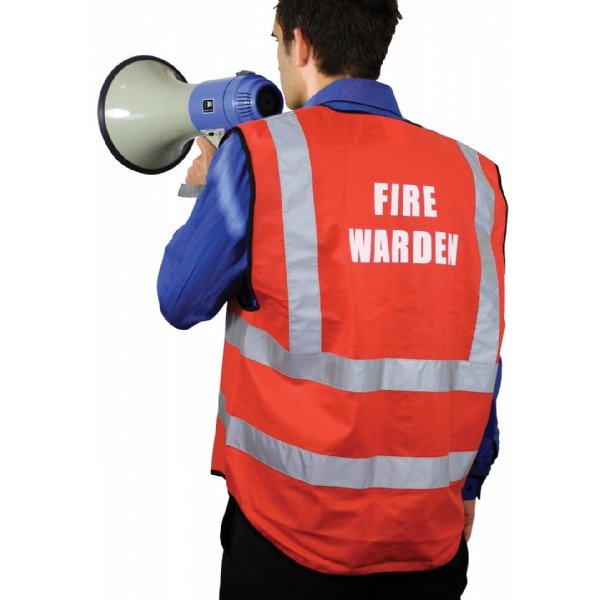
Small information that shape big outcomes
Fire warden requirements in the workplace are sometimes dealt with as a list. Educated wardens, tick. Indications and diagrams, tick. Pierce yearly, tick. What moves the needle is friction removal and clarity.
Mark evacuation courses that avoid one of the most common canal. Pre-assign buddy systems for occupants with wheelchair or sensory requirements. Systematize radio language to maintain transmissions short and unambiguous. Make certain spare batteries and chargers are where they need to be. Train on the tones and the public address system so messages are crisp and tranquil. Little points stop huge confusion.
I often see teams discover the initial verbal announcement. Individuals fail to vague messages. Practice clear phrases: "Attention please, we are leaving Degree 6 by means of the eastern stairwell. Wardens will certainly direct you." During training, repeat announcements up until they appear natural. The distinction in between a hesitant and a crucial message is the distinction in between order and drift.
Matching shipment to workforce realities
A spread labor force with specialists, short-term staff, and turning changes needs versatile training. Online shipment takes care of induction well. Specialists can complete a short component covering alarm tones, setting up locations, and that to follow during an evacuation. Permanent wardens can then do a site-based session.
Language diversity matters. On-line components can be equated or captioned much more conveniently than a real-time session, which aids understanding. But body language and on-site presentation bridge gaps in ways captions can not. When the workforce consists of individuals with different levels of literacy, focus on plain language and in-person demonstrations for vital actions.
Remote websites and little groups face a different difficulty. The individual working as chief emergency warden might also be a supervisor or site supervisor juggling various other responsibilities. In these instances, a focused PUAFER006 session, either on website or in a nearby training center, deserves the traveling. If travel is impossible, set online theory with a live video clip walk-through, after that conduct a site drill led by a neighborhood facilitator while an instructor observes remotely. It is not best, yet it is much better than theory alone.
Time, expense, and the value of drills
Budget conversations usually compare the cost per head of online versus in-person training. Online will generally be more affordable and easier to arrange. In-person training takes time out of the workday and commonly needs backfill. chief fire warden responsibilities Yet one of the most costly part of emergency situation preparedness is an unsuccessful response.
Treat drills as part of training, not a separate exercise. A short quarterly drill is more valuable than a lengthy annual one, particularly for multi-level buildings. Record timing, flow, squeeze factors, and any communication concerns. Readjust the plan, after that train versus the updated plan. Over 12 to 18 months, you will see a quantifiable reduction in evacuation times and complication, which equates to lower danger and smoother regulative interactions.
Answering typical concerns that form training design
People usually ask how many wardens a website requires. A practical general rule goes to the very least one warden per distinct location or flooring, with coverage for leave and shift patterns. Huge open spaces, labs, or high-occupancy zones might require a lot more. For chief warden protection, select replacements to cover lacks and train them to the same standard.
What concerning the emergency warden course for a small office? In low-risk atmospheres, a concise warden course covering PUAFER005 end results may suffice, with the workplace manager functioning as chief warden after PUAFER006 training. The vital part is evaluating the plan in the real space.
Do we require hats or headgears? Utilize what your plan specifies and what your labor force identifies. Hats or vests assist identify wardens swiftly. If your site uses headgears, keep the system to a basic code such as red for wardens and white for the chief warden hat. The exact accessory matters much less than consistency and visibility.
A portable choice aid for training leads
- If your site is reduced threat, with uncomplicated departures and a stable labor force, online concept plus normal drills will likely satisfy your needs. If your site is complex, high tenancy, or high risk, prioritise in-person practicals, particularly for PUAFER006 chief warden training. Use mixed learning to obtain the best of both: online for scalable knowledge, on-site for sychronisation, radios, and building-specific practice. Review drill end results, not just training course completion. Readjust training based upon real issues uncovered. Standardise identification, language, and duties so people understand who to comply with and what to claim under stress.
Where the rubber fulfills the road
On a stormy Wednesday in a CBD tower a few years back, a smoke alarm tripped throughout upkeep on a mid-level floor. The alarm tone was loud enough to agitate site visitors. The chief warden went survive the PA steadly, confirmed the place, and released wardens to inspect. A solitary accumulation of dirt near a detector had actually triggered the occasion. Due to the fact that the group had actually educated with each other, the messages were crisp and the wardens recognized specifically where to go. Individuals stayed put until the all-clear, and the flooring was back to typical within mins. No panic, no rush to the stairways. That outcome originated from 2 points: a clear strategy and method that matched the building.
Training technique is a way to that end. Choose the style that gets your people to proficiency, after that verify it with drills and updates. Usage PUAFER005 to build the backbone of your emergency warden team. Use PUAFER006 to form leaders that can guide the whole reaction without forgeting details. Keep your recognition simple so a look tells people who is in charge. And maintain repeating. Emergency situations compensate preparation, not intent.
Final thoughts for security managers and HR
When scoping your next fire warden course consumption, begin with 3 concerns. What is the actual threat profile of our website? How complicated is our structure and labor force? What end results do we need to see during a drill six weeks after training? If you mount choices around results, the choice between online and in-person ends up being clearer.
Online courses bring reach, consistency, and solid understanding transfer. In-person training brings realistic look, coordination, and confidence. A combined pathway, tuned to your website, normally offers the most effective results. The objective is simple, though not easy: when the alarm seems, your emergency warden team and chief warden act like they have been right here prior to. Due to the fact that, in training, they have.
Take your leadership in workplace safety to the next level with the nationally recognised PUAFER006 Chief Warden Training. Designed for Chief and Deputy Fire Wardens, this face-to-face 3-hour course teaches critical skills: coordinating evacuations, leading a warden team, making decisions under pressure, and liaising with emergency services. Course cost is generally AUD $130 per person for public sessions. Held in multiple locations including Brisbane CBD (Queen Street), North Hobart, Adelaide, and more across Queensland such as Gold Coast, Sunshine Coast, Toowoomba, Cairns, Ipswich, Logan, Chermside, etc.
If you’ve been appointed as a Chief or Deputy Fire Warden at your workplace, the PUAFER006 – Chief Warden Training is designed to give you the confidence and skills to take charge when it matters most. This nationally accredited course goes beyond the basics of emergency response, teaching you how to coordinate evacuations, lead and direct your warden team, make quick decisions under pressure, and effectively communicate with emergency services. Delivered face-to-face in just 3 hours, the training is practical, engaging, and focused on real-world workplace scenarios. You’ll walk away knowing exactly what to do when an emergency unfolds—and you’ll receive your certificate the same day you complete the course. With training available across Australia—including Brisbane CBD (Queen Street), North Hobart, Adelaide, Gold Coast, Sunshine Coast, Toowoomba, Cairns, Ipswich, Logan, Chermside and more—it’s easy to find a location near you. At just $130 per person, this course is an affordable way to make sure your workplace is compliant with safety requirements while also giving you peace of mind that you can step up and lead when it counts.